
How to Search Gaston County Traffic Court Records
Traffic cases are part of the statewide court system, so the search tools are the same ones used for other court records. The eCourts Portal and the court-date search both accept a citation number or a name. A citation number is the cleanest way to land on the right case, since traffic dockets are large.
The Judicial Branch traffic and vehicles help topic is the official starting point for traffic questions.
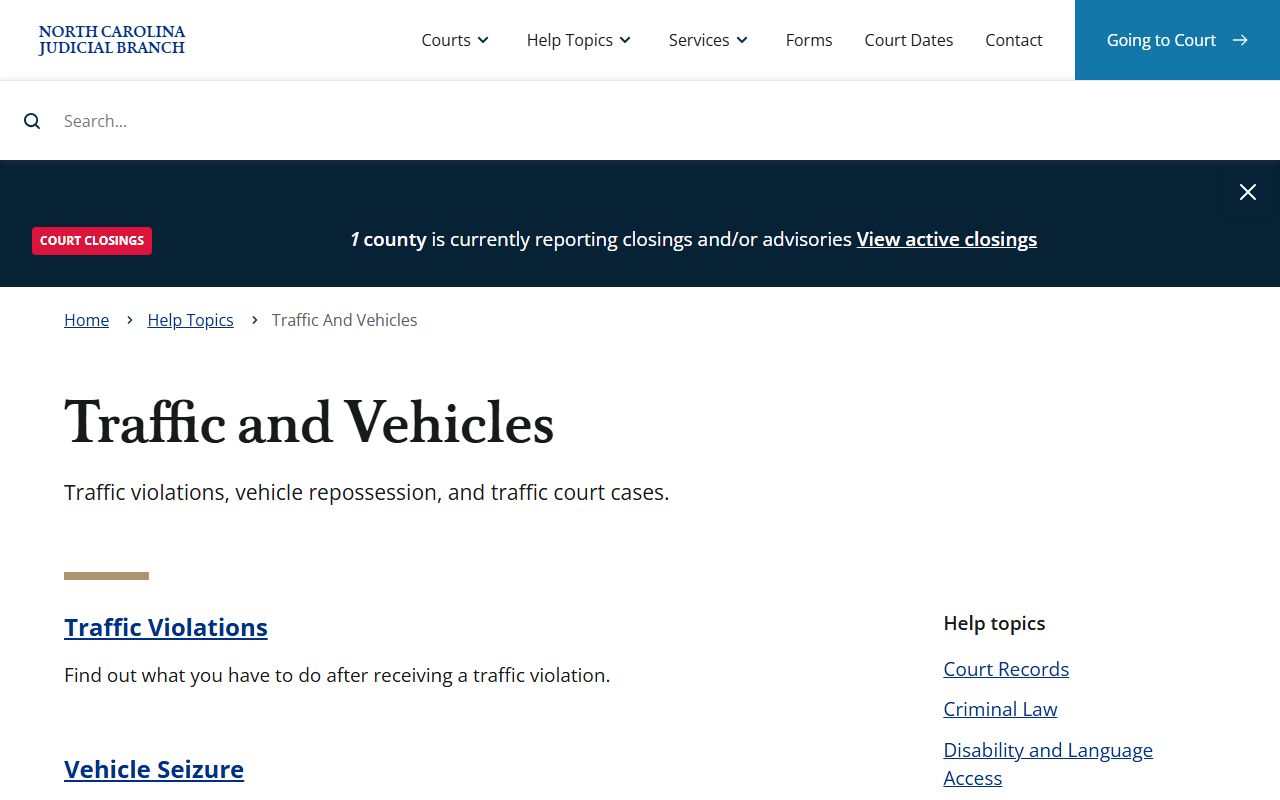
Select Gaston County for local cases, and use the most precise identifier you have to narrow the results.
Which Courts Handle Traffic Cases in Gaston County
North Carolina routes traffic cases through the state District Court rather than a separate municipal traffic court. In Gaston County, that is District Court District 38. Magistrates handle some early steps, and serious offenses move into the regular criminal process. There is no separate justice-of-the-peace traffic court here.
Because traffic cases are District Court matters, the Clerk of Superior Court holds the files and processes payments. For the court structure in full, see Gaston County District Court.
This unified setup means a Gastonia ticket and a ticket from another part of the county both flow through the same District 38 system. Older online sources may reference former district numbers, but the current official label is 38 across the court structure.
Types of Traffic Cases on Record
Traffic records cover a wide range, from minor infractions to criminal offenses. The level of the case decides how it is handled and how serious the record is. The list below shows the main categories.
- Infractions, such as speeding or equipment violations, which are payable in many cases.
- Misdemeanor traffic offenses, which require a court appearance.
- DWI and other serious offenses, handled as criminal cases.
- Commercial driver violations, which carry special rules.
- Failure to appear or comply, which can add penalties.
A simple infraction is very different from a DWI, so do not treat every traffic case as a payable ticket. The charge listed on the citation tells you which path a case follows. When in doubt, the citation and the court date printed on the ticket point you to the right next step.
What Gaston County Traffic Court Records Show
A traffic record carries standard fields drawn from the citation and the court case. The table below shows what a Gaston County traffic court record typically includes.
| Field | What It Shows |
|---|---|
| Citation Number | The identifier from the ticket, useful for search. |
| Defendant | The cited driver's name. |
| Charge / Statute | The violation and its statute reference. |
| County and Court Date | Gaston County and the scheduled session. |
| Disposition | Outcome such as paid, dismissed, or found responsible. |
| Fines and Costs | Amount owed and payment status. |
The court traffic record does not show your full driving history. That lives in the state driver record, covered below.
Searching by Citation Number vs by Name
You can search traffic cases two main ways. A citation number points to one specific case, which avoids the confusion of common names. A name search is useful when you do not have the ticket, but it can return many results. The search-field table below shows the inputs the court tools accept.
| Field Label | Type | Required | Notes / Format |
|---|---|---|---|
| Citation Number | Text | No | Best single identifier from the ticket. |
| Name | Text | No | Driver name; add detail to narrow common names. |
| County | Dropdown | No | Select Gaston County. |
| Court Date | Date | No | Helps locate a scheduled session. |
If a name search returns nothing, check the spelling and confirm the case is in Gaston County rather than a neighboring county.
Paying or Contesting a Gaston County Traffic Ticket
You generally have two choices with a ticket: pay it or contest it. Paying can mean admitting responsibility, which may affect your driver record and insurance. Contesting means appearing in court or having a lawyer appear. The steps below outline the process.
- Read the citation for the charge, the court date, and payment options.
- Decide whether to pay or contest, weighing the effect on your record.
- To pay, use the official court payment options, including mail by money order or certified check.
- To contest, appear on your court date or arrange for an attorney to appear.
- Keep proof of payment, since the record may take time to update.
Payment rules come from the Judicial Branch payment and citation systems, not the Register of Deeds. A missed date can lead to added penalties or a license issue.
Public Access Laws for Traffic Court Records
Traffic court records are part of the public court record, subject to North Carolina's public records framework and judicial-branch rules. Most adult traffic cases are open to search through the court tools. Some information, like certain identifiers, is masked.
The clerk remains the custodian for official copies. For the broader access framework and statutes, see Gaston County court records and public records. Online case information points you to a traffic case, but a certified copy still comes from the clerk, and older cases may need a public terminal or the paper file.
Court Traffic Records vs State Driver Records
This is the distinction that confuses the most people. The court traffic record is the case file from the court. The state driver record is your license history, kept by the NCDMV. They come from different sources and serve different purposes. The comparison below sorts them out.
| Point | Court Traffic Record | State Driver Record |
|---|---|---|
| Source | Clerk of Superior Court and eCourts | North Carolina DMV |
| Contains | The traffic case and disposition | License status, points, history |
| Where to access | Court Portal or clerk | NCDMV driver record request |
| How to fix errors | Through the court case | Through the DMV |
A third record, a crash or accident report, comes from law enforcement or the DMV and is separate from both. People often conflate all three.
CDL and Commercial Driver Records
Commercial drivers face stricter rules. A violation that is minor for a regular license can be serious for a commercial driver license, or CDL. Federal and state rules limit how CDL holders can resolve tickets, and some options that reduce points for regular drivers are not available to them.
A CDL holder who gets a ticket should be careful before simply paying it, since the effect on a commercial license can be significant. The court traffic record and the DMV driver record both matter here, so confirm the impact before deciding how to handle the case.
DUI and DWI Cases
DWI is not a simple traffic ticket. In North Carolina, driving while impaired is a criminal offense, so it routes through the criminal process rather than a payable citation. That means an arrest, a court case, and possible jail time on a conviction. A DWI shows up as a criminal record, not just a traffic entry.
For DWI and other criminal matters, see Gaston County arrest records. In cases that lead to custody, victims can use VINELink for custody-status notifications.
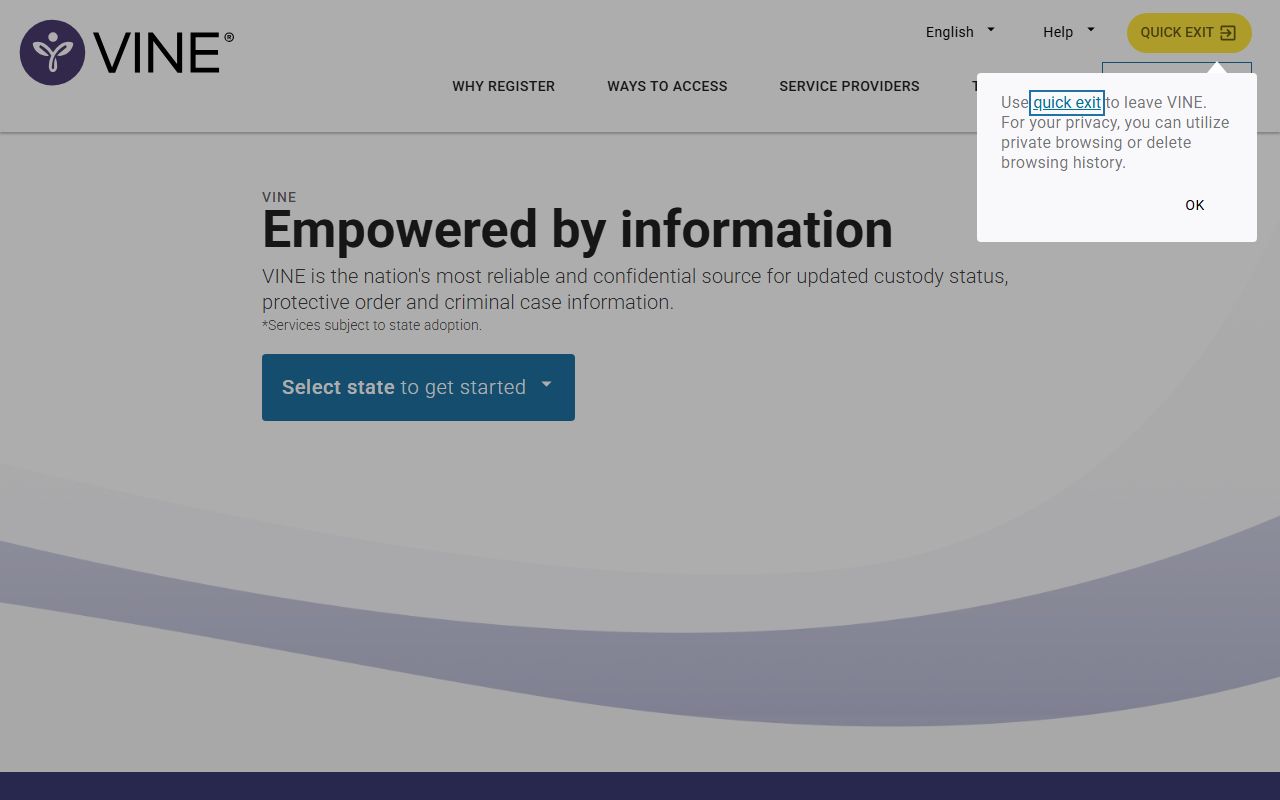
VINELink is an alert tool, not a court record, but it can help when a serious traffic case results in a jail booking.
Deferred Options and Driving Course
Some drivers may have options that reduce the impact of a ticket, such as a driving course or a deferral, depending on the charge and their record. These are not available for every offense, and DWI is generally excluded. Eligibility depends on the specific case and prior history.
Because rules vary, check with the court or an attorney before assuming a reduction is available. Court staff can explain the process but cannot advise you on the best strategy for your case. A reduction that lowers points on a regular license may still not help a commercial driver, so a CDL holder should be especially careful.
Sealing or Expunging Traffic Records
Some traffic matters may be eligible for expunction, especially when a charge was dismissed or resulted in a not-guilty finding. Dismissed charges and not-guilty findings may be eligible under G.S. 15A-146, and certain convictions under other statutes. A petition is filed with the clerk in the county of charge.
The general expunction filing fee is $175, with no fee for some dismissed or not-guilty cases. For the full process, see Gaston County warrant records, which covers expunction after a case is resolved.
Fees for Traffic Record Copies
Traffic fines, costs, and copy fees are set by statute and the Judicial Branch. The clerk charges copy and certification fees for traffic case copies, separate from the fine itself. Confirm current amounts with the clerk before you pay. The table below shows the fee framework.
| Item | Fee Basis |
|---|---|
| Traffic fines and court costs | Set by statute and the Judicial Branch |
| Plain copy of a traffic record | Clerk copy fee |
| Certified copy | Clerk certification fee |
Note: A driver record copy from the DMV is requested and priced separately from a court traffic record copy.
If you only need to confirm a court date or a disposition, the online court tools may give you what you need at no cost. A certified copy from the clerk is for formal use, such as showing a court or an insurer the outcome of a case. Match the copy you request to the use you actually have.