
How to Look Up Gaston County Jail Population Data
There is no single live dashboard that posts the Gaston County jail's daily headcount. The most current public window into custody is the Sheriff's inmate inquiry, which lists individual bookings for the current year and two years prior. For aggregate numbers, the county budget and Sheriff budget materials are the most defensible official sources. State and national datasets fill in the broader picture.
To study population data, combine these sources rather than relying on one. The Sheriff's office can answer specific questions about current counts that are not posted online. County budget PDFs carry capacity and operating figures, and national research groups standardize jail data so counties can be compared.
This page stays data-focused on purpose. It does not walk through a name search, because individual lookups belong in the inmate roster. Instead, it explains where aggregate Gaston County jail figures live and how to read them without overstating what the public record actually shows.
The Sheriff's Office can also answer current-count questions that are not posted online. For a researcher or reporter, a direct request to the office, paired with the published county budget, is the most defensible way to get a Gaston-specific number rather than relying on an aggregator.
Gaston County Jail Capacity Overview
The Sheriff's Office mission includes law enforcement, detention, court security, and civil process. An official county archive and budget snippet referenced an operating inmate capacity of 526 inmates for the jail system. That figure should be confirmed against the current budget PDF before it is treated as final, because official capacity numbers were not fully consistent across sources.
| Facility | Capacity | Source / Confidence |
|---|---|---|
| Gaston County jail system | 526 operating capacity | County archive/budget snippet; verify in PDF. |
| Main Jail | Not separately published | Listed as a facility in the inmate inquiry. |
| Jail Annex | Not separately published | Listed in the inquiry and on the visitation page. |
The inmate inquiry separates the Main Jail and the Annex, so the system holds people across more than one facility. Per-facility capacity was not published in the official sources reviewed.
Average Daily Population
Average daily population, or ADP, is the mean number of people held per day over a period. It is the standard way jails report size, because a single-day count swings with arrests and releases. Official Gaston County ADP figures were not located on a public page reviewed for this build.
Where ADP is not posted, the county budget is the right place to look, since detention staffing and costs track population. Treat any ADP figure from a non-official jail-data site with caution, and verify it against county materials before relying on it.
ADP also helps compare a jail to its capacity. If the operating capacity is near 526 and the ADP sits close to that, the jail runs full, which affects housing and transfers. A single crowded day does not prove a crowding problem, which is exactly why ADP, measured over time, is the fairer figure to cite.
Demographic Breakdown
A demographic breakdown shows population by categories like age, sex, and race. Gaston County did not publish a detailed public demographic table for its jail in the official sources reviewed. The state offers some statewide figures through the Department of Adult Correction's statistical query tool, but that counts state offenders, not county jail inmates.
For county-level demographic context, national research groups standardize the data. The list below shows where to look and what each source covers.
- County budget PDFs for local operating and staffing figures.
- Bureau of Justice Statistics for national and state jail data.
- Vera Institute Incarceration Trends for county-level comparisons.
- Prison Policy Initiative for North Carolina state-level breakdowns.
When you cite a number, note whether it is county-specific or a state and national figure, since mixing the two creates a misleading picture.
Pretrial vs Sentenced Population
County jails hold two broad groups. Pretrial detainees are awaiting resolution of their cases and have not been convicted. Sentenced inmates are serving a short sentence or waiting for transfer. The split matters because it shapes services, length of stay, and policy debates about bond.
| Group | Status | Typical Note |
|---|---|---|
| Pretrial | Awaiting case resolution | Not convicted; may be held on bond or conditions. |
| Sentenced | Serving a sentence | Short county sentences or awaiting state transfer. |
Gaston County did not publish a public pretrial-versus-sentenced split in the official sources reviewed. National datasets show that pretrial detainees make up a large share of many county jails, which is useful context but not a Gaston-specific count.
The pretrial group is tied closely to bond decisions. A magistrate or judge sets bond and conditions, and people who cannot meet bond stay in custody while their cases move. That link is why bond policy debates focus so heavily on the pretrial share of a jail population.
Misdemeanor vs Felony Population
Another way to view the jail is by charge level. Misdemeanor holds tend to be shorter, while felony holds, especially pretrial felony cases, run longer. In North Carolina, felonies route toward Superior Court, and misdemeanors stay in District Court unless appealed. That court split is mirrored loosely in who sits in the jail and for how long.
A specific misdemeanor-versus-felony breakdown for the Gaston County jail was not located publicly. The court structure on the Gaston County District Court page explains how charge level shapes which division handles a case. Felony cases that await indictment or trial can keep a person in jail far longer than a typical misdemeanor hold, which is why charge level influences both the count and the average length of stay.
Mental Health and Medical Population
Jails also manage health needs, which affect population planning. A useful verified detail comes from county budget material: the Sheriff reported a reduction in jail overdoses from 76 in December 2022 to 6 during July through December 2023. That figure should be confirmed in the budget PDF, but it points to active health and safety work inside the facility.
Detailed mental health or medical population counts were not published publicly. Medical, mental health, and classification details are also not part of the public inmate search, since those are protected. For policy context, national research covers how jails handle behavioral health needs. Many county jails report that a sizable share of people in custody have a mental health or substance use need, which is one reason Gaston County operates an Adult Treatment Court as a diversion option.
National and State Context
When local numbers are thin, national and state research provides reliable context. The Bureau of Justice Statistics publishes jail reports with national and state figures. The Vera Institute Incarceration Trends project lets you compare counties. The Prison Policy Initiative breaks down North Carolina incarceration at the state level.
The Prison Policy Initiative offers state resources useful for framing Gaston County data.
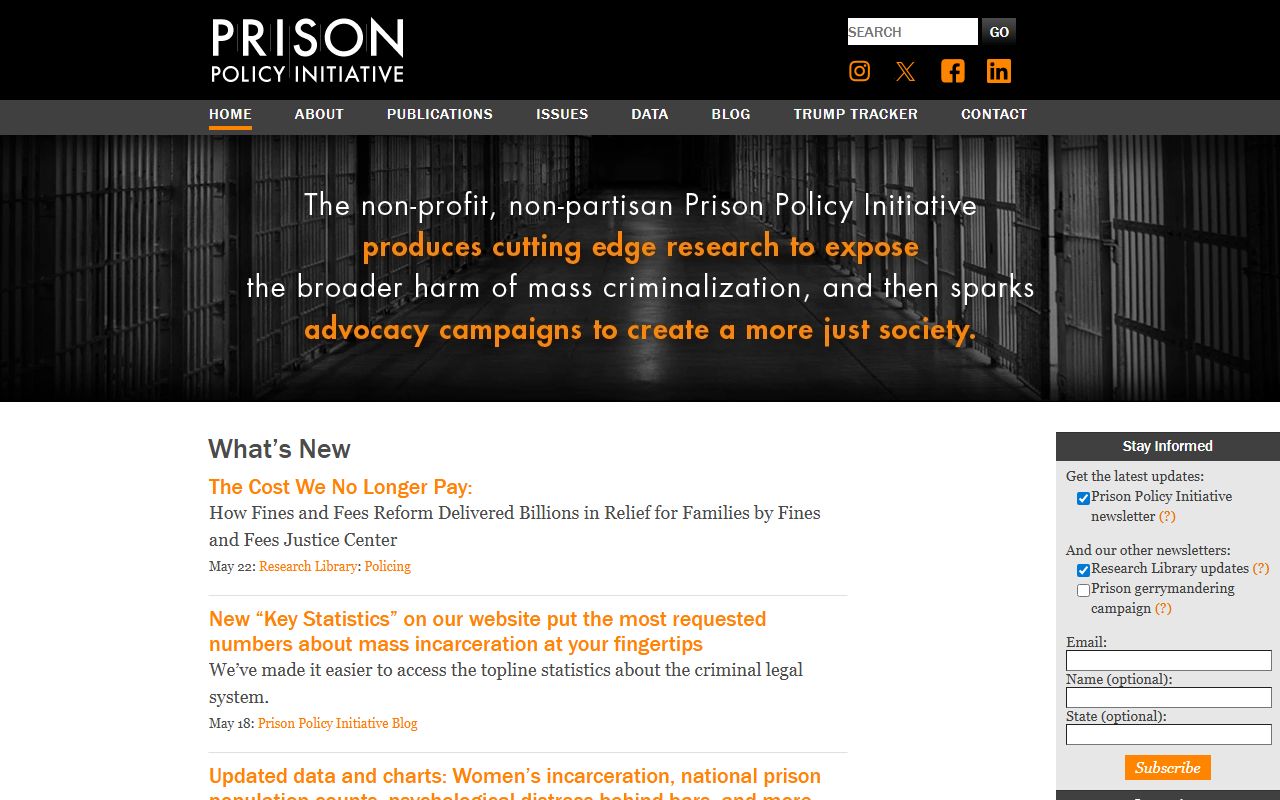
Use these to compare a rate per 100,000 residents across the county, state, and nation, but label each number clearly. A county figure and a national figure should never be presented as if they are the same measure. The comparison below shows what each level measures and where to pull the current figure, since the exact rates change as new data is released.
| Level | What It Measures | Where to Find It |
|---|---|---|
| County | Gaston jail population and rate per 100,000 residents | County budget materials and Vera county pages |
| State | North Carolina incarceration rate | Prison Policy Initiative and NC DAC statistics |
| National | U.S. jail population and rate | Bureau of Justice Statistics jail reports |
Reading all three together gives perspective. A county can sit above or below the state and national rate, and only a labeled comparison makes that meaningful.
Population Trends Over Time
Tracking a trend means watching the count over several years, not a single day. Official multi-year Gaston County jail population reports, with year-by-year ADP and length-of-stay figures, were not located on a public page. The county budget cycle is the most likely official source for a yearly view.
National datasets show long-run shifts in jail use, including changes in pretrial detention and shorter stays in some places. Those patterns help interpret a local number, but a trend claim about Gaston County should rest on county budget data, not a national average applied locally.
The verified overdose-reduction figure is a good example of a real trend signal. A drop from 76 incidents to 6 over consecutive periods points to a concrete change inside the facility, even though it is a health measure rather than a headcount. Trend data like that, drawn from official budget materials, is far more trustworthy than a number copied from an aggregator site.
Searching for Gaston County Inmate Records by Name
This page covers population data, not individual lookups. To find a specific person in custody, use the Sheriff's inmate inquiry rather than population statistics. The roster search handles name, booking number, and date-range lookups for current and recent bookings.
For the full name-search walkthrough, see Gaston County inmate records. For people no longer in custody, see released inmates.
Where the Data Comes From
Being clear about sources keeps this page honest. The verified Gaston-specific facts are that the Sheriff operates the county detention function, the inmate search separates the Main Jail and Annex, the public search covers the current year plus two prior years, and county budget materials carry capacity and operating figures. Non-official jail-roster sites should not be used for capacity claims unless the underlying county number is verified against an official county or Sheriff document.
Note: Some Gaston County jail population figures live only in county budget PDFs, so verify any specific count against the official budget before relying on it.
For court-side records that connect to custody, see Gaston County court records and arrest records.